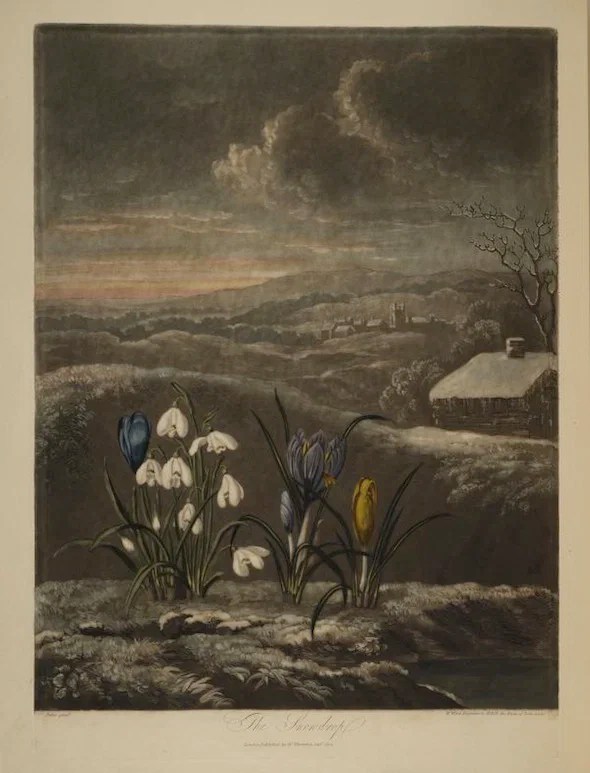
Interview by Zoë Brigley
Welcome back to our series on writing the #MoreThanHuman. We offer a set of interviews with poets and writers on how they approach writing about the environment. The more-than-human is a phrase that seeks to side-step traditional nature-culture dualisms and draw attention to the unity of all life as a kind of shared commonwealth existing on a fragile planet. It also reminds us humans that there is more to life, that there is more world, than the human. It relocates us in relation to the mystery.
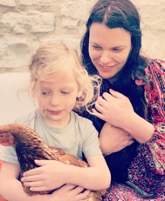
Here, we meet Catherine Balaq, a writer and body psychotherapist. She is co-editor of Black Cat Press. Catherine’s poetry centres around themes of class, gender and the politics of the body. The subconscious and creative process are areas of special focus. Catherine also writes novels and is represented by Donald Winchester at Watson Little.
March Snow
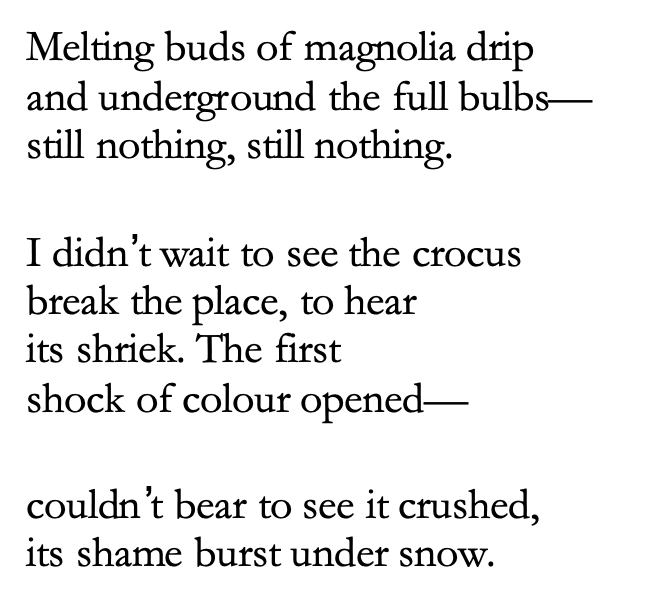
Zoë Brigley: What a lovely nugget of a poem this is. I love the intense, vivid quality of the images. When you are creating poetic images of nature, do you rely on imagination, observation or memory? What strategies do you draw on?
Catherine Balaq: I write from nature a lot, then blend the sensory outer experience with inner landscapes, the internal psychological feeling and associations with what is seen. This particular poem references my own garden in early spring. The fragility of new life against the cold ground and inclement weather compares to creative transformation after trauma.
Zoë: There is definitely a gnomic quality to this poem. It puts me in mind of gnomic traditions of Welsh verse: short, often aphoristic stanzas, juxtaposing nature imagery with observations about human life and morality. There’s certainly a feeling that the vivid descriptions of nature convey a deeper, enigmatic message.
Catherine: The poem holds a hard earned truth about vulnerability, beauty and creativity. Any kind of art making for me is an alchemical process and a transformation. I enjoy condensing work to its smallest possible form whilst still holding its integrity. It’s a great way to edit. Getting rid of unnecessary additional words. A cauldron or crucible to entwine aspects of self, experience and observation to create something new from the pressure.
Zoë: I’m wondering if the March snow has ecological implications too. March snow is not so common in Wales, and I’m pondering whether the poor spring flowers have been lulled into blooming only to be hit with some irregular weather. How important is it for us to be recording these happenings and seasonal changes as writers?
Catherine: I see huge parallels between the trauma of the body and the ecological crisis we are living through. When land or body is used as a source rather than respected with care as its own entity, we end up with abuse, of land, of body, of cultures. The body is our most intimate geography. Soil exhaustion echoes the physical burn out of our tired human bodies. Over work and mass farming deplete our resources. Pesticides and toxins affect our body and our lands. Patriarchal mindsets of ownership and mastery/domination exploit both body and planet. I am developing a eco feminist poetics workshop that I will deliver with The Writing School Online later this year.
Zoë: Is there anything else you want to tell us about this poem?
Catherine: The poem was written a few years back when we had a March snow. The memory of a single vivid purple crocus being buried under snow fall, to later rise again, so brightly against the carpet of white has remained a symbol of strength to me, without shame in its vulnerability. A hope for recovery and regeneration. The poem now exists as part of a larger series of poems that speak from the voice of Demeter as she waits for Persephone’s return from the underworld. The series fits in a larger collection of poems addressing the house in the female gothic. I have been working with poet Jessica Traynor on editing the collection which is due to go out on submission later this year.
If you would like to read more of my work I have two collections, animaginary which can be purchased from Black Cat Press; and Deathless from Verve. I have an underworlds pamphlet coming soon with V press called Some Dark God.

